
Prostatitis and Ejaculatory Problems

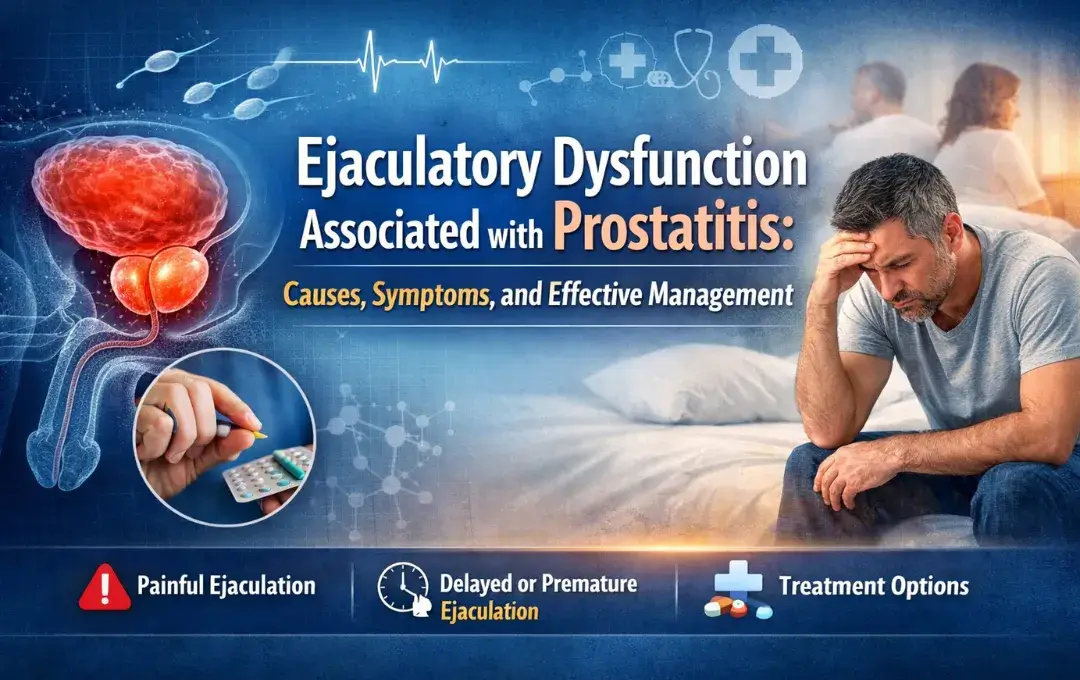
Prostatitis and Ejaculatory Problems: Key Causes, Symptoms, and Treatment Options
Overview
Prostatitis is a common problem with the prostate that can make it hard for men to ejaculate and have good sexual health. When the prostate is inflamed, it gets in the way of nerve signals, muscle cooperation, and blood flow that are all needed for ejaculation. Because of this, a lot of men have painful ejaculation, ejaculation that is delayed or starts too soon, less semen, or pain while they are sexually active.
A lot of the time, doctors don’t understand ejaculatory failure caused by prostatitis because erections may stay normal even though ejaculation is painful or hard. Biological processes like oxidative stress, immune activation, and muscle tension in the pelvis are at the heart of these complaints. Up to 15% of men will get prostatitis at some point in their lives, according to studies. The most common type in sexually active men is chronic pelvic pain syndrome.
To effectively handle prostatitis, it is necessary to find the underlying type and treat it directly. Making changes to your lifestyle, taking medicines like antibiotics, anti-inflammatory drugs, PDE5 inhibitors, and Dapoxetine, and getting mental health help when you need it can all make things a lot better. If you get the right diagnosis and treatment, you can handle the problems with ejaculation that come with prostatitis and get your sexual quality of life back.
Understanding Prostatitis and Its Impact
Prostatitis occurs when the prostate gland becomes inflamed or infected. Doctors recognize four different types of prostatitis.
Acute bacterial prostatitis is a sudden bacterial illness that causes a lot of pain, fever, and problems with the urinary tract.
Chronic Bacterial Prostatitis is a bacterial illness that lasts for a long time and causes frequent urinary problems.
Chronic Pelvic Pain Syndrome (CPPS) is an inflammation that isn’t caused by germs that often causes pelvic pain and trouble ejaculating.
Asymptomatic inflammatory prostatitis means that there are no clear signs. It is usually found during routine tests.
Inflammation makes the immune system work harder, raises toxic stress, and hurts nerves nearby. These bodily effects can make it hard for men to ejaculate, which can lead to sexual problems. Up to 10–15% of men will get prostatitis at some point in their lives, according to studies. CPPS is the most common type in younger men.
The Link Between Prostatitis and Ejaculation
There are several ways that prostatitis can affect ejaculation:
Inflammation: When the prostate swells and cytokines are released, they can irritate the nerves that control ejaculation.
Muscle Dysfunction: Having chronic pelvic pain can make the muscles on the floor of the pelvis tense, which can make it hard to control and time your ejaculation.
Effects on the Nerves: The prostate and urethra can send and receive nerve signals less clearly, which can cause ejaculation to happen later, more painfully, or too early.
Studies have shown that men with chronic prostatitis often report painful ejaculation, less semen volume, or delaying ejaculation. This shows how important it is to find the root cause instead of just treating the symptoms.
Key Indicators and Common Symptoms
Ejaculatory dysfunction related to prostatitis often presents with:
Ejaculatory dysfunction associated with prostatitis frequently manifests as:
Pain or a burning feeling during or after ejaculation.
Less semen or a different consistency.
Discomfort is associated to delayed or early ejaculation.
Pain in the pelvis or perineum before, during, or after ejaculation.
Frequent urination, urgency, or discomfort (in bacterial prostatitis).
Recognizing these symptoms is essential for distinguishing prostatitis-related ejaculatory dysfunction from merely psychological or hormonal origins.
Medical Assessment and Diagnostic Process
Diagnosis necessitates a thorough evaluation:
Medical history: The beginning, frequency, triggers, and sexual history of the symptoms.
Physical examination: A digital rectal exam to see if the prostate is swollen or painful.
testing done in a lab include urine testing, semen cultures, and tests for inflammation.
Imaging: An ultrasound or MRI if there are signs of structural problems.
Psychological assessment: To eliminate performance anxiety or temporary sexual dysfunction.
A correct diagnosis makes ensuring that the right treatment is given and stops long-term problems (PubMed).
Effective Treatments and Long-Term Care
Lifestyle and Self-Care Steps
Drink a lot of water and stay away from things that can irritate your bladder, like alcohol or caffeine.
Do pelvic floor exercises on a regular basis to help your muscles work together better.
Stress management methods like therapy or meditation.
Making small changes to your daily life can help with sexual function, reduce inflammation, and enhance circulation.
Medications for Prostatitis-Related Ejaculatory Dysfunction
Antibiotics: Used to treat bacterial prostatitis by getting rid of the infection and lowering the inflammation.
Anti-inflammatory drugs: Help with swelling and pain in the prostate.
Alpha-blockers help relax the muscles in the pelvis and make it easier to urinate.
PDE5 inhibitors: Drugs like Sildenafil (Viagra), Tadalafil (Cialis), and Vardenafil (Levitra) assist keep erections going and ease performance anxiety during sex.
Dapoxetine (Everlong): This drug can help with premature ejaculation when it is caused by prostatitis.
Mechanism: PDE5 inhibitors make smooth muscle relax and blood flow better in the pelvic area.
Effect on Ejaculatory Dysfunction: Increased blood flow lessens pain and helps with ejaculatory control.
Clinical Studies: Research indicates that PDE5 inhibitors and Dapoxetine enhance sexual performance and alleviate pain in prostatitis-related ejaculatory dysfunction.
Mental Well-Being and Emotional Support Measures
Counseling or cognitive behavioral therapy might help with anxiety that comes with painful ejaculation.
Helping people feel confident about their sexuality might stop them from avoiding situations and make their relationships less stressful.
Surgical or Clinical Procedures (When Needed)
In rare chronic instances, interventions such as minimally invasive prostate therapies or guided prostate massage may alleviate symptoms when pharmacological treatments prove inadequate.
Methods to Help Prevent the Condition
Early identification and treatment of urinary tract infections or prostatitis.
Drink enough water and have safe sex.
Pelvic floor exercises help keep your muscles working together.
Men with chronic prostatitis should have regular follow-ups to keep an eye on their ejaculatory health.
When You Should Consider Getting Medical Care
If you have ejaculatory pain that doesn’t go away or gets worse, see a doctor.
Sexual symptoms come with urinary difficulties.
Problems with getting an erection or ejaculating can make sex less enjoyable or hurt relationships.
Symptoms of chronic prostatitis come back a lot.
Final Thoughts
Ejaculatory dysfunction associated with prostatitis is prevalent yet amenable to treatment. The best results come from making adjustments to your lifestyle, using medication (such as PDE5 inhibitors or Dapoxetine), centered around prostate care and health. Recognizing signs early on can help avoid problems, improve sexual health, and make life better overall. Men who have painful or problematic ejaculation should see a doctor as soon as possible because early treatment makes recovery easier and more successful.
References
Prostatitis Prevalence & CPPS – Research indicates that prostatitis impacts approximately 10–15% of men, with CPPS frequently observed in younger males.
Ejaculatory Dysfunction in Chronic Prostatitis – Men with chronic prostatitis have painful ejaculation, diminished semen volume, or delayed ejaculation. PubMed
PDE5 Inhibitors & Dapoxetine in Prostatitis — Studies indicate that Sildenafil, Tadalafil, Vardenafil, and Dapoxetine enhance sexual function and alleviate discomfort associated with prostatitis-related ejaculatory dysfunction.
Clinical Assessment and Diagnostic Approach: A correct diagnosis makes sure that the right treatment is given and stops long-term problems from happening.